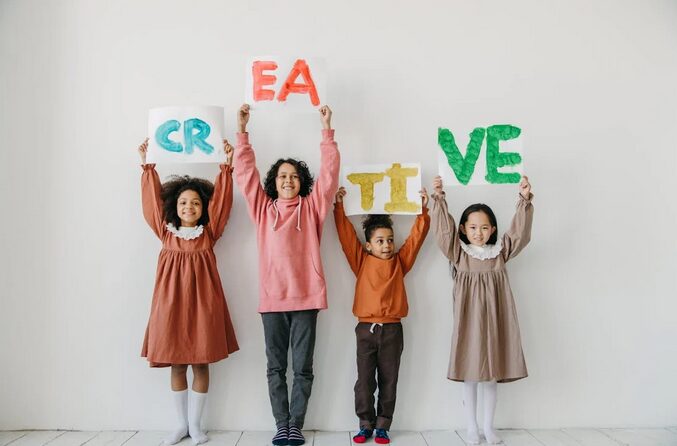
Spending time together as a family is often easier said than done, especially with screens and busy schedules pulling everyone in different directions. That’s why turning crafting into a fun entertainment activity can be such a game-changer. The joy of working with your hands, experimenting with colors, and creating something as a team brings laughter and connection into the home. For families looking for inspiration, crafting your own do-it-yourself DIY yarn bowl can be both practical and enjoyable, but it should not limit your option. By choosing engaging projects, setting up the right environment, and embracing flexibility, you can transform ordinary craft time into something that feels more like a party than a chore.
Choose Projects That Appeal to All Ages
The best family craft activities are those that allow everyone—kids, teens, and adults—to participate without frustration. Projects that have room for personalization tend to work well. For instance, painting wooden boxes, decorating mason jars, or creating holiday ornaments gives each family member the freedom to express themselves. If younger kids are involved, avoid projects requiring sharp tools or complicated steps. Instead, offer them tasks like gluing, sticking, or painting, which let them feel important without being overwhelmed. Crafting is about enjoyment rather than perfection, so variety is key.
Keep Materials Simple But Fun

You don’t need an elaborate supply list to create meaningful entertainment. Having too many complex tools can discourage participation. Start with easy-to-find items like paper, glue, markers, and fabric scraps. Add something playful—glitter, beads, or colorful buttons—for excitement. Keeping materials straightforward lets everyone dive right in without spending too much time setting up. For added fun, you can occasionally introduce an unusual material, such as polymer clay or recycled cardboard, which sparks curiosity and creativity. The goal is to balance simplicity with discovery.
Make It About Togetherness, Not Perfection
Sometimes adults approach crafts with the mindset of creating something polished, but kids are more interested in the experience. To make crafting an entertainment highlight, focus less on the outcome and more on the process. Laugh at the mess, encourage improvisation, and allow each person’s creation to reflect their imagination. Mistakes often turn into the funniest or most memorable parts of the activity. Families that let go of rigid expectations find themselves bonding far more deeply. A crooked cut or a paint smudge may not look picture-perfect, but it adds character and humor to the project.
Incorporate Storytelling and Themes

Adding a narrative twist to crafting can make it feel like a mini adventure. Instead of just painting, imagine you’re designing treasures for a fantasy land, or if you’re building collages, pretend you’re making a family magazine. Seasonal themes also work wonders—crafting paper flowers in spring, spooky decorations in October, or handmade cards in December. Kids especially love activities that connect to their favorite stories, movies, or games. Blending storytelling with hands-on creativity gives the activity a layer of excitement that keeps everyone engaged.
Display and Celebrate the Results
One of the most motivating parts of family crafting is showing off what you’ve made. Dedicate a shelf, wall, or corner of the house where finished projects can be displayed proudly. Even small creations, like painted stones or handmade bookmarks, deserve recognition. Celebrating these efforts gives everyone a sense of accomplishment and encourages participation in future projects. You can also make it a tradition to take photos of your completed crafts and create a “family crafting album” over time. This visual record tracks progress and reminds the family of fun moments spent together.
Crafting as a family activity is more than just cutting, gluing, and painting—it’s about laughter, teamwork, and creating memories that last longer than the projects themselves. By selecting inclusive activities, using accessible materials, focusing on shared fun instead of perfection, weaving in imaginative themes, and celebrating the results, families can turn ordinary afternoons into cherished bonding sessions. With a little creativity and enthusiasm, craft time becomes less about producing flawless items and more about building joy and connection in everyday life.